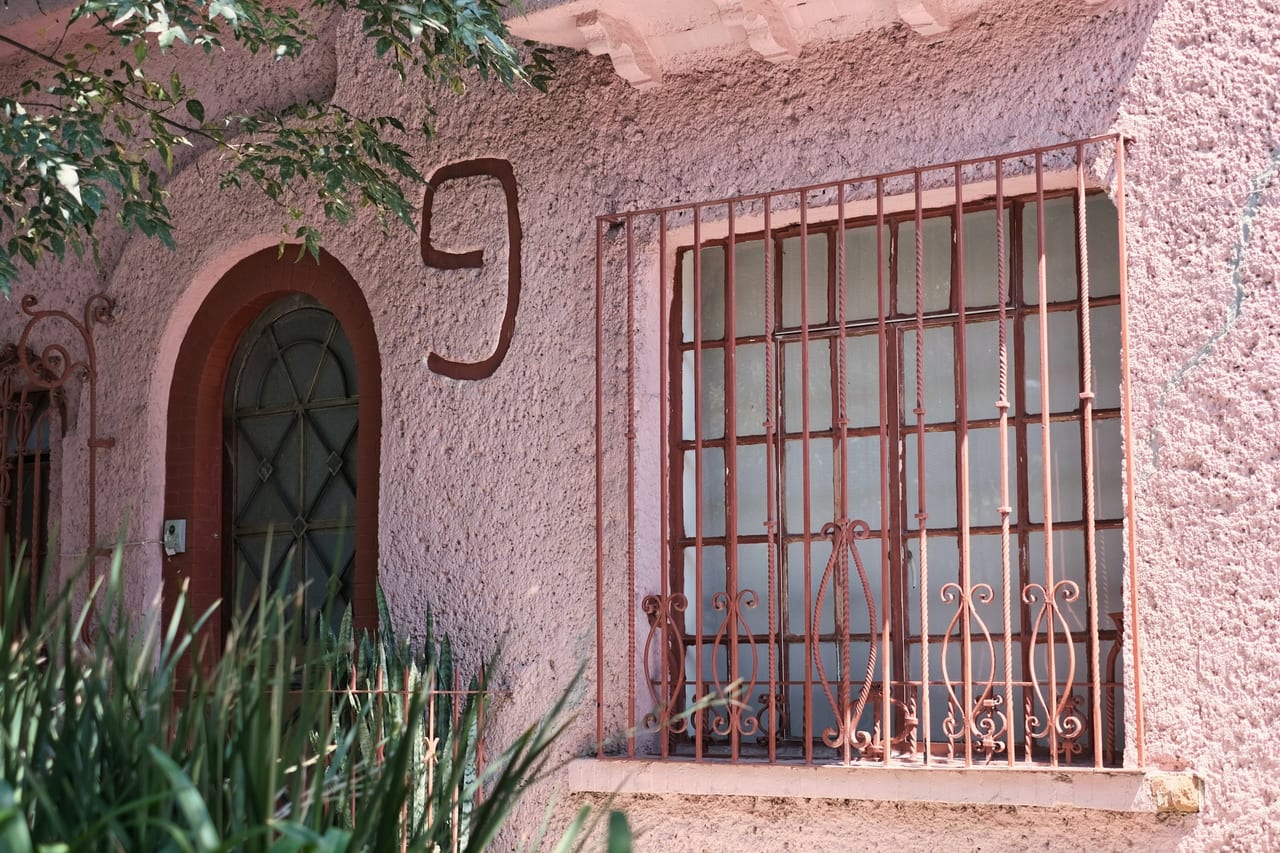
Masala y Maíz
Norma Listman and Saqib Keval cook between Mexico, India and East Africa, from suadero samosas to prawns with vanilla butter.
- Address
- Artículo 123 116, Centro
- Getting a table
- On Tock, or by WhatsApp
Centro Histórico
Where to eat, what to do and where to stay in Centro, from our Mexico City guide.
Every place in Centro that made our Mexico City guide, in one list. Open a place for its hours, prices and how to book, or save it to your list for the trip.
Each place here is in our Mexico City guide. Restaurants were chosen with the Michelin Guide, 50 Best, The Infatuation and Time Out; things to do were chosen with the museums' own sites, INAH, Time Out and 50 Best Bars; hotels were chosen with the Michelin Keys, Forbes Travel Guide and Time Out.
Norma Listman and Saqib Keval cook between Mexico, India and East Africa, from suadero samosas to prawns with vanilla butter.
A Centro taquería where cooks work over bubbling cauldrons of meat; the long-braised suadero is the order, especially late at night.
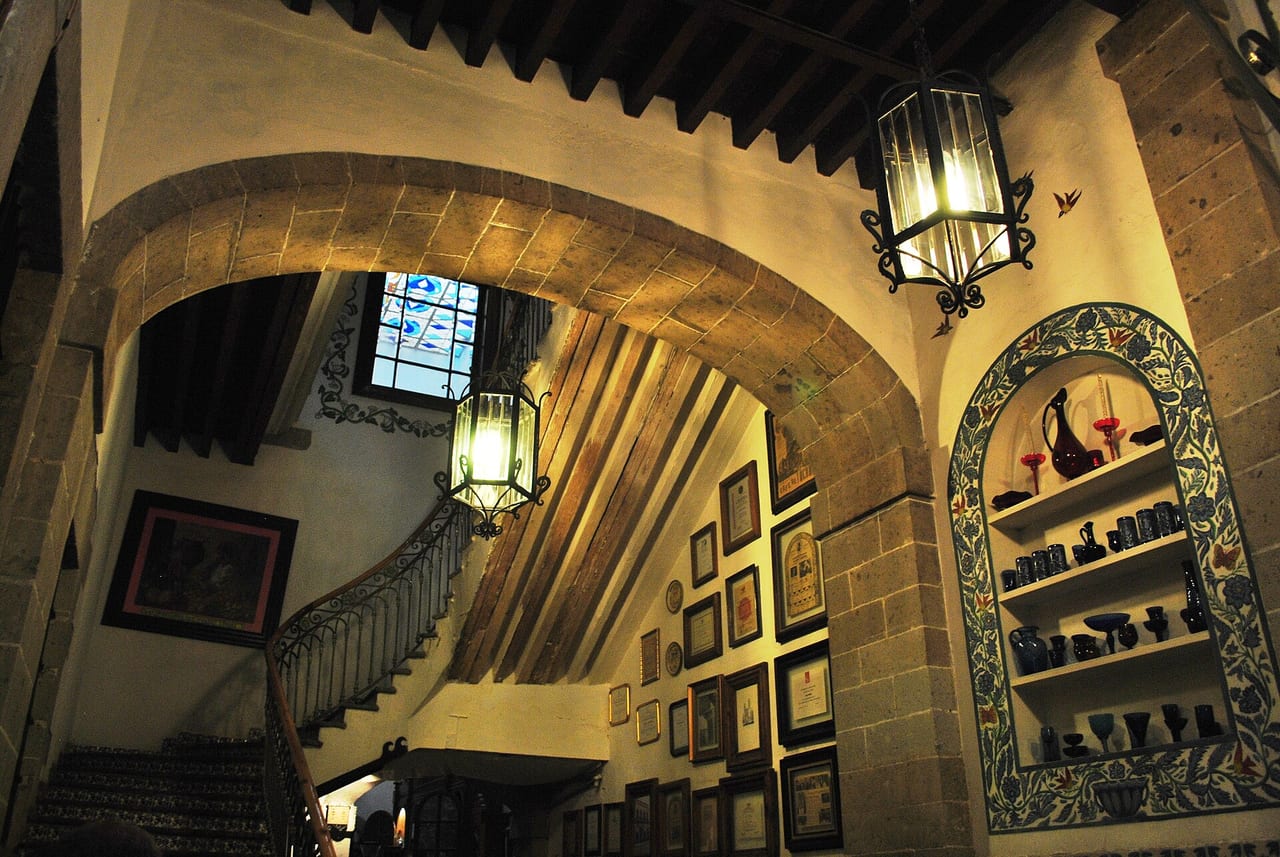
Dionisio Mollinedo's café of 1912, in a 17th-century house of tiles and stained glass, serving enchiladas and café de olla to live music.
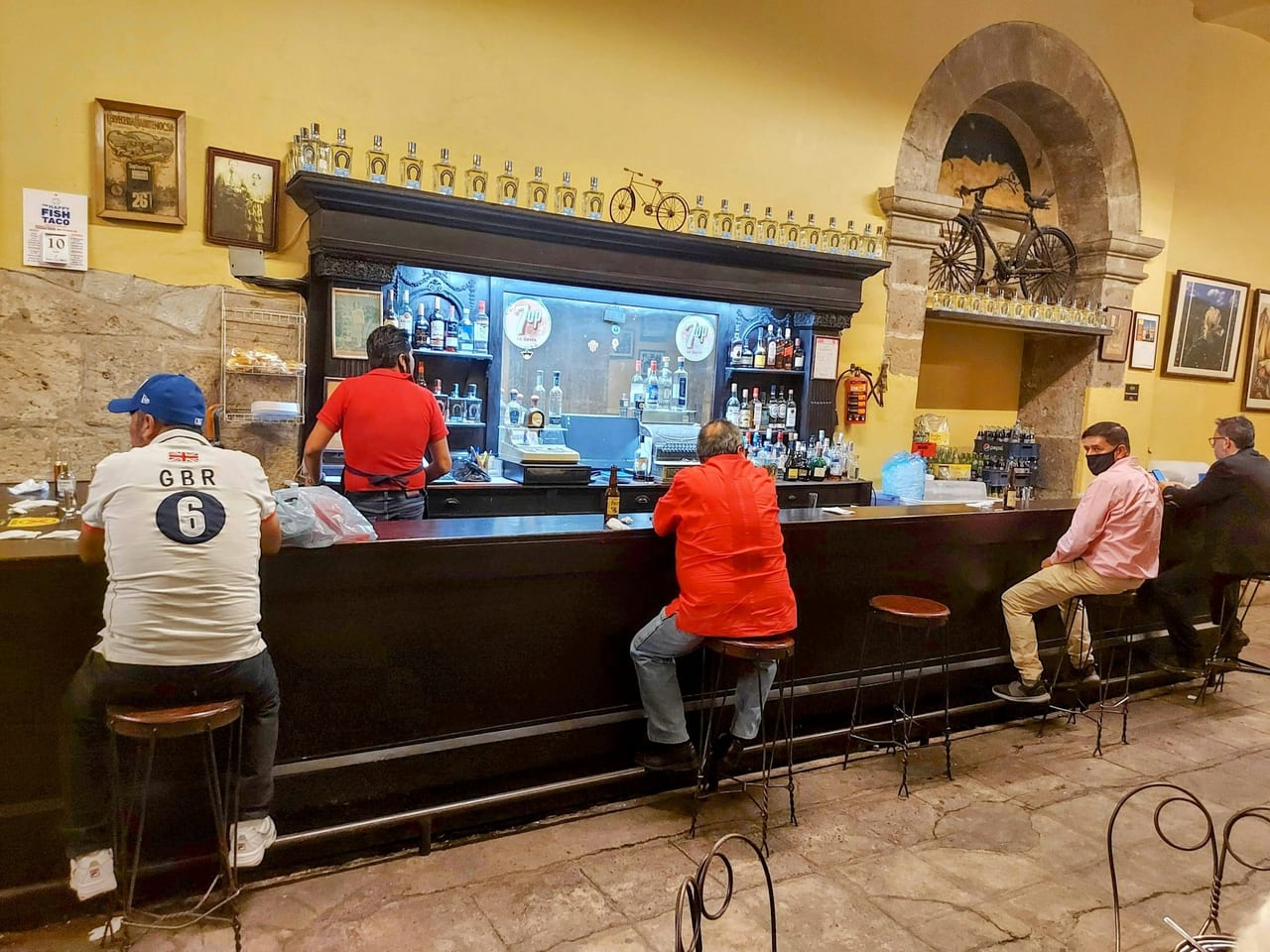
A gilded cantina of carved wood and mirrors, where a hole in the ceiling is said to be Pancho Villa's bullet.
A Centro dining room of an old fountain, Puebla tiles and Huichol embroidery, reviving old Mexican recipes with modern touches.
A Basque-rooted seafood dining room in the Centro since 1936, known for grilled langoustines and the napkins its guests have signed over the decades.
A long-running Centro seafood counter on Ayuntamiento, serving blue crab tostadas, octopus in garlic and the gratinated empapelado at friendly prices.
A pastor counter in a doorway-sized space on Ayuntamiento since 1959, carving softly spiced pork onto small tortillas.
A Centro institution since 1969, where breakfast means thick hot chocolate with raw-milk cream and conchas, and lunch runs to escamoles and beef tongue.
A Centro beer hall on Bolívar since 1928, pouring draft beer with tortas and tacos, loudest on football match days.
A standing-room counter in the Centro since 1936, building carnitas and bacalao tortas to order behind a curved glass case.
A Centro tortería carving roast turkey onto warm bolillos, with bacalao a la vizcaína as the other filling, a formula running for more than a century.
A Centro bakery founded in 1927, now in the former convent of San Francisco, where shoppers fill trays with conchas, cuernos and pound cakes.
The original 1935 churrería on Eje Central, frying vegan churros to the first recipe and pouring hot chocolate in Mexican, Spanish and other styles.
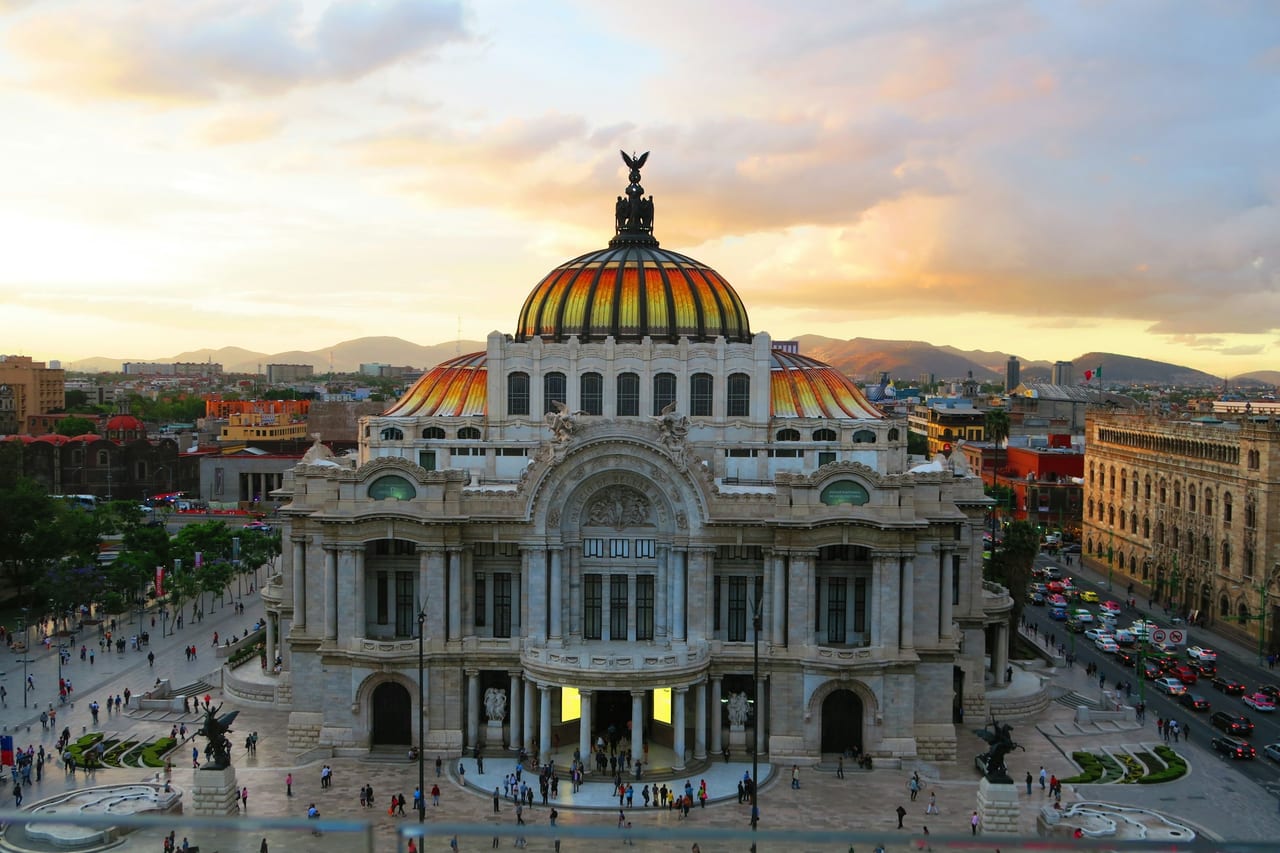
Adamo Boari's white marble palace of the arts, begun in 1904 and opened in 1934, with murals inside by Rivera, Orozco, Siqueiros and Tamayo.
Ruins of the Mexica temple to Tlaloc and Huitzilopochtli, dug out from 1978 beside the Zócalo; the museum shows finds such as the Coyolxauhqui disc.
Diego Rivera painted the history of Mexico up the main staircase and around the central courtyard between 1929 and 1951; seen on a guided tour.
Mexican art from the viceroyalty to the mid-20th century, hung in Silvio Contri's government palace, begun in 1904, on Calle Tacuba.
Carlos Monsiváis's vast collection of popular culture, from cartoons and photographs to toys and prints, shown in rotating rooms of La Esmeralda building of 1890.
Diego Rivera's first great cycle, 235 panels painted from 1923 to 1928 around the courtyards of the Ministry of Education, now open as a museum.
A Jesuit college founded in 1588 where José Clemente Orozco, Diego Rivera and others painted the first murals of the movement in the 1920s; now a museum.
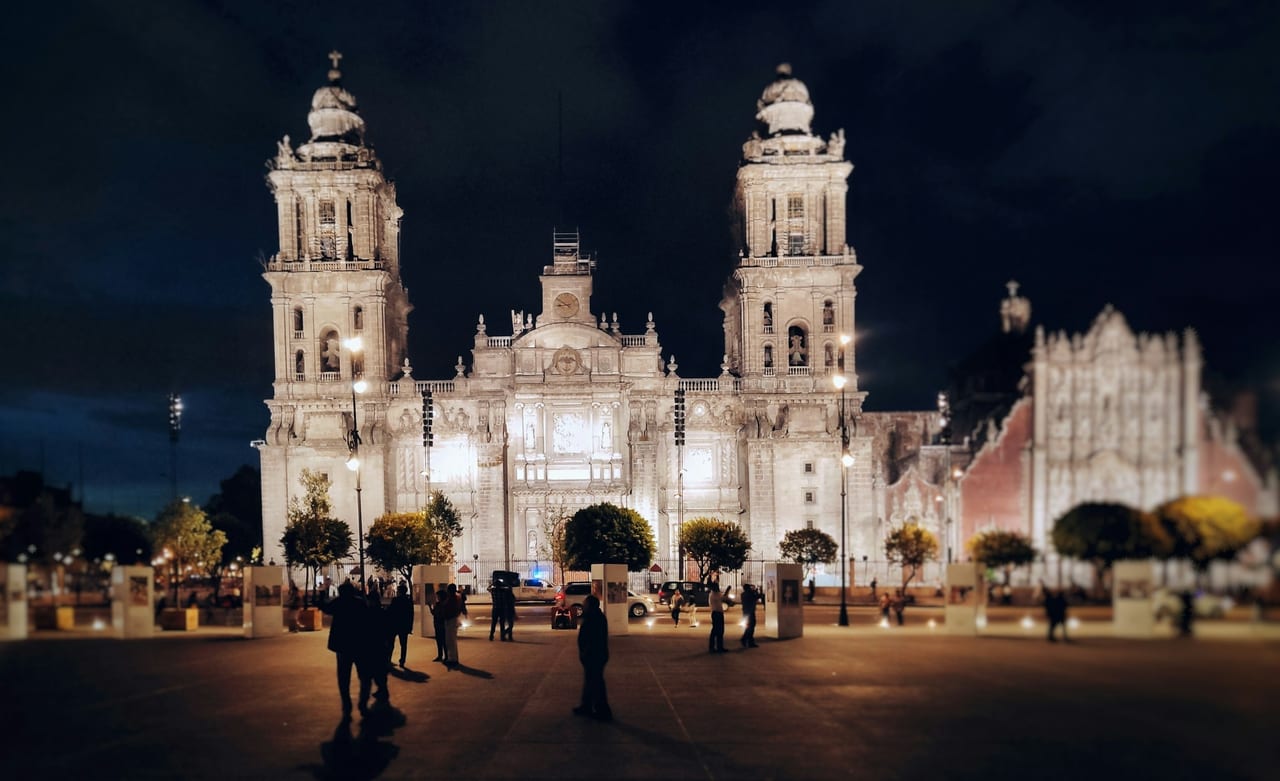
The cathedral on the north side of the Zócalo, built from 1573 to 1813, with the gilded Altar de los Reyes behind the main altar and 25 bells in its towers.
The chefs' market of the Centro, trading for more than 150 years: exotic meats and insects beside cheeses, wine, coffee and fruit you rarely see elsewhere.
Crafts from across Mexico under one roof, from alebrijes and talavera to textiles and silver, with some makers working at their stalls.
The oldest public park in the Americas, laid out under the Spanish beside Bellas Artes, with fountains, shaded paths and the marble Hemiciclo a Juárez.
The pedestrian street from Bellas Artes to the Zócalo, past the tiled Casa de los Azulejos and churches and shopfronts from every century.
A dim mezcal bar behind a red curtain near the Alameda, pouring straight from producers in Oaxaca, Michoacán, Guerrero and beyond.
Amalia Hernández's company, founded in 1952, dancing Mexico's regional dances in full costume on the Bellas Artes stage, before the glass curtain.
The Centro's basement jazz club, booking Mexican and visiting acts from big bands to jazz-funk, with classic cocktails and mezcal at the tables.
The tower at the corner of Madero and Eje Central, with a viewing deck near the top that looks down on Bellas Artes, the Alameda and the Zócalo.
A rooftop bar on a Centro hostel that looks straight at the cathedral's towers, with DJs or jazz and swing on some evenings.
A hands-on museum of money and economics in the Centro, built for children and teenagers but enjoyed by adults too.
Grupo Habita's hotel behind the Cathedral, in the 19th-century house where photographer Manuel Álvarez Bravo was born, with a rooftop pool.
Grupo Habita's seventeen rooms on the top floors of the 17th-century palace of the Counts of Miravalle, a few streets from the Zócalo.
A late-19th-century department store on the Zócalo, a hotel since 1968, whose lobby rises to Jacques Gruber's 1908 stained-glass ceiling.
The 1924 Art Deco Edificio España, restored as a Centro hotel with a rooftop pool, an art gallery and a vinyl library.
A restored 18th-century building two blocks from the Zócalo, where breakfast is included and a 24-hour café keeps free coffee and sandwiches going.
A large, well-kept hotel on Cinco de Mayo, a minute from the Zócalo and the Cathedral, run by the same team as Histórico Central.
A long-running Centro hotel right beside the Metropolitan Cathedral, with modernized rooms, a restaurant and terraces looking at the cathedral towers.
A boutique hostel in the Centro with dorms and private rooms, a quesadilla breakfast, a library, a games room and a free walking tour.