Shimogamo Jinja
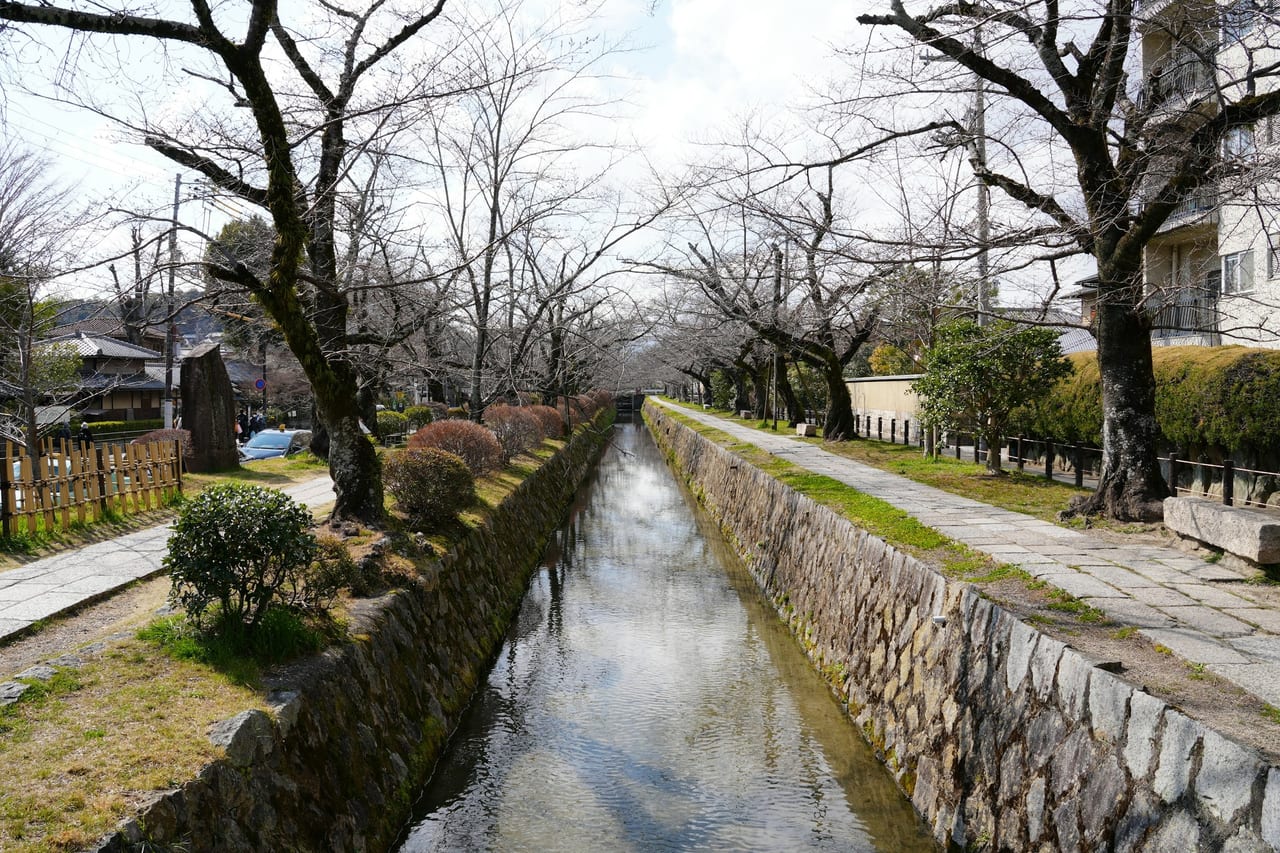
Walk the long path through Tadasu no Mori, the ancient forest at the meeting of two rivers, early in the morning; then continue to the Kamo Delta.
- Address
- 59 Shimogamo Izumikawa-cho, Sakyo-ku
- Hours
- 06:30 to 17:00
For the gods of the city
Ancient forests, mountain springs and the city's best-loved Shinto rituals.
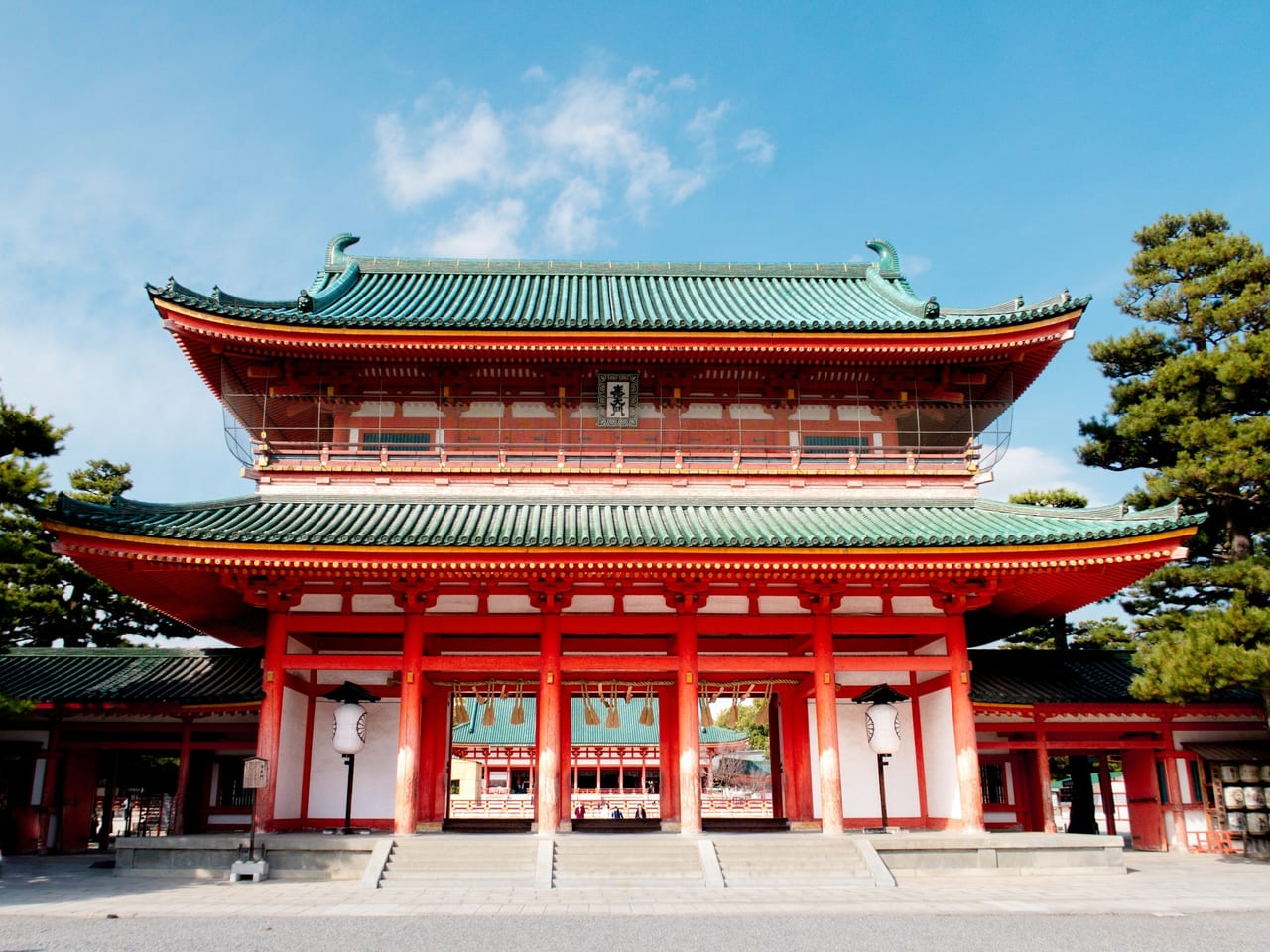
Kyoto's shrines are older than the city in some cases and busier than its temples in others. Most are free and open from early morning, which makes them the easiest sights to fit around everything else.
Bow once at the gate, rinse your hands and mouth at the basin, and keep to the side of the path; the center belongs to the gods.
Shrines with a setting or a ritual worth the journey, and room to enjoy them.
Walk the long path through Tadasu no Mori, the ancient forest at the meeting of two rivers, early in the morning; then continue to the Kamo Delta.
Climb the lantern-lined steps, buy a water fortune and lay it on the spring to read it; in summer, the valley is several degrees cooler than the city.
Look for the two cones of sand before the hall and the stream running through the grounds; on the fourth Sunday, the handicraft market sets up here.
Pass under the huge torii, then pay ¥600 for the garden behind the shrine, where the weeping cherries bloom in mid-April after most others in the city.
Students hang wooden prayer plaques for exams; come on the 25th for the market, in February for the plums, or in November for the maple garden.
Write a wish on a paper slip, crawl through the hole in the stone, and add the slip to thousands of others. Go after dark for no line.
Five minutes over the river from Byodo-in, a small World Heritage shrine with one of the oldest shrine buildings in Japan and almost no crowds.
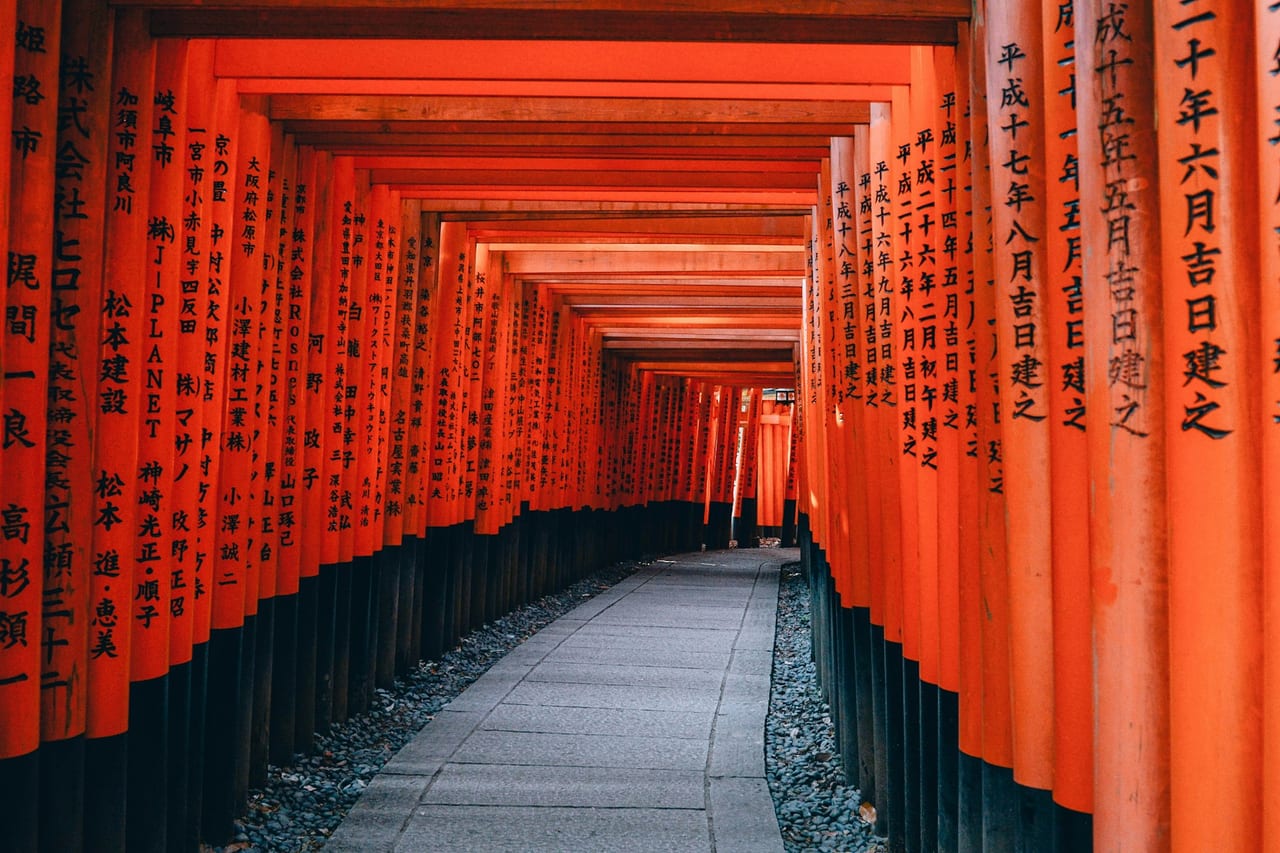
The mountain of torii is a hike as much as a visit: past the busy lower gates, small shrines with fox statues line the way to the summit.