Izuu
Wakasa mackerel pressed into sushi the old way since 1781, at a Gion shop now run by the eighth generation.
- Address
- 367 Kiyomoto-cho, Higashiyama-ku京都市東山区八坂新地清本町367
- Getting a table
- By phone
Higashiyama
Where to eat, what to do and where to stay in Gion, from our Kyoto guide.
Every place in Gion that made our Kyoto guide, in one list. Open a place for its hours, prices and how to book, or save it to your list for the trip.
Each place here is in our Kyoto guide. Restaurants were chosen with the Michelin Guide, Tabelog, Inside Kyoto and Time Out; things to do were chosen with the temples' own sites, the Kyoto City guide and japan-guide.com; hotels were chosen with the Michelin Keys, Forbes Travel Guide and Inside Kyoto.
Wakasa mackerel pressed into sushi the old way since 1781, at a Gion shop now run by the eighth generation.
A small Gion tempura counter frying seasonal fish and vegetables in batter so thin you can see the ingredient through it.
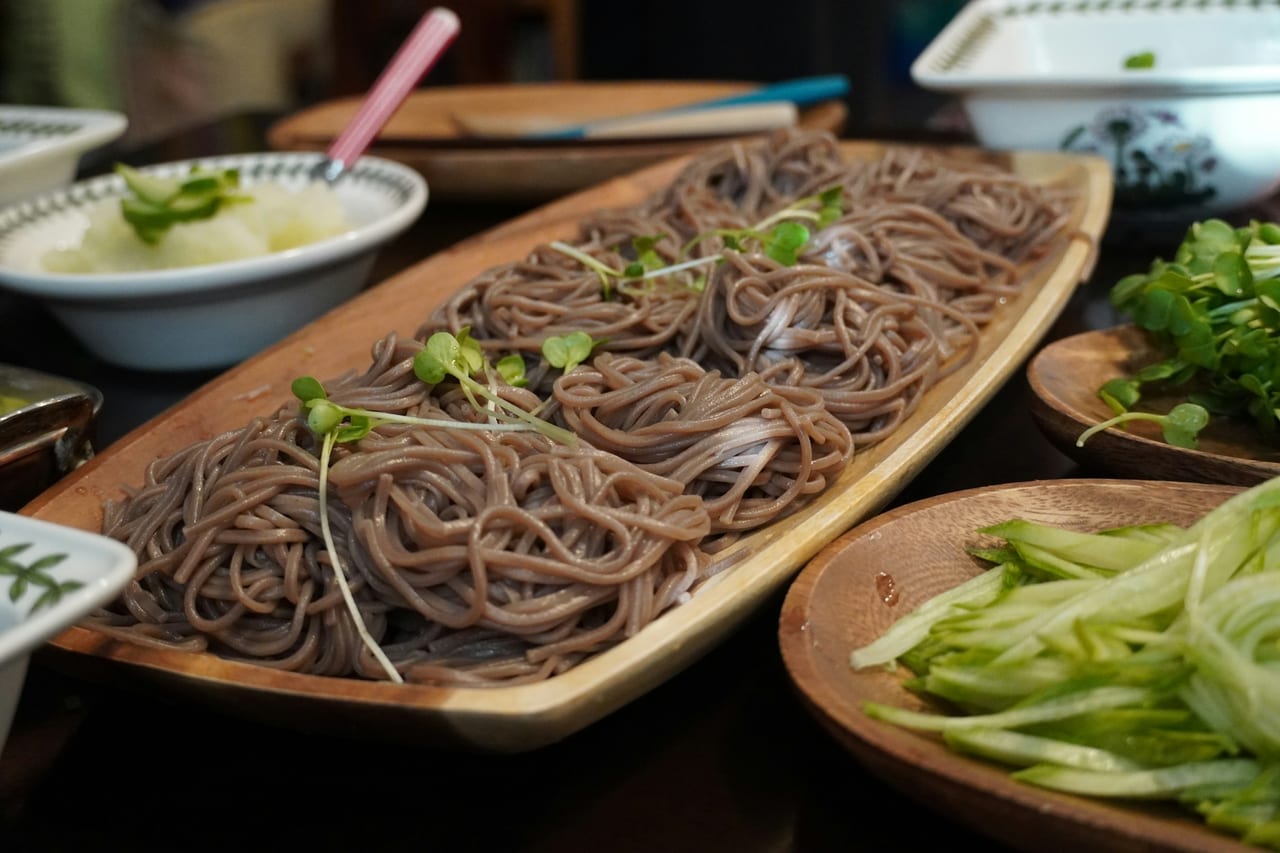
An old Gion noodle house long loved by geisha and kabuki actors, best for kitsune udon or ginger-scented keiran.
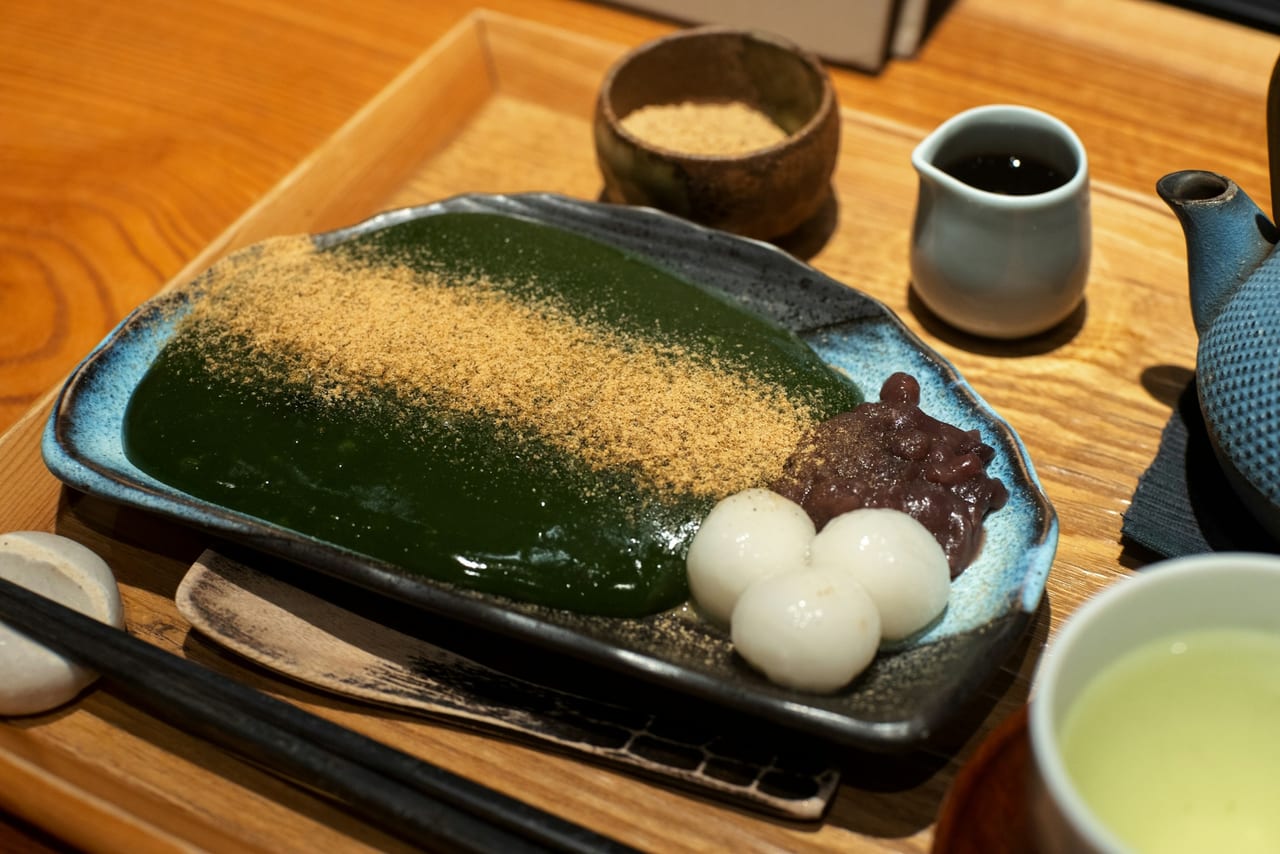
A Gion sweet shop since the Edo period, where kuzukiri, arrowroot noodles, are made to order with black or white syrup.
A Gion breakfast counter built around clay-pot rice, soup, herring and pickles, with rice served as it finishes steaming.
A late Gion gyoza counter frying small, crisp, garlicky dumplings, with a ginger version for those who skip the garlic.
A Hanamikoji tearoom for warabi mochi made with real bracken starch, plus shaved ice in summer and mochi you grill at the table.
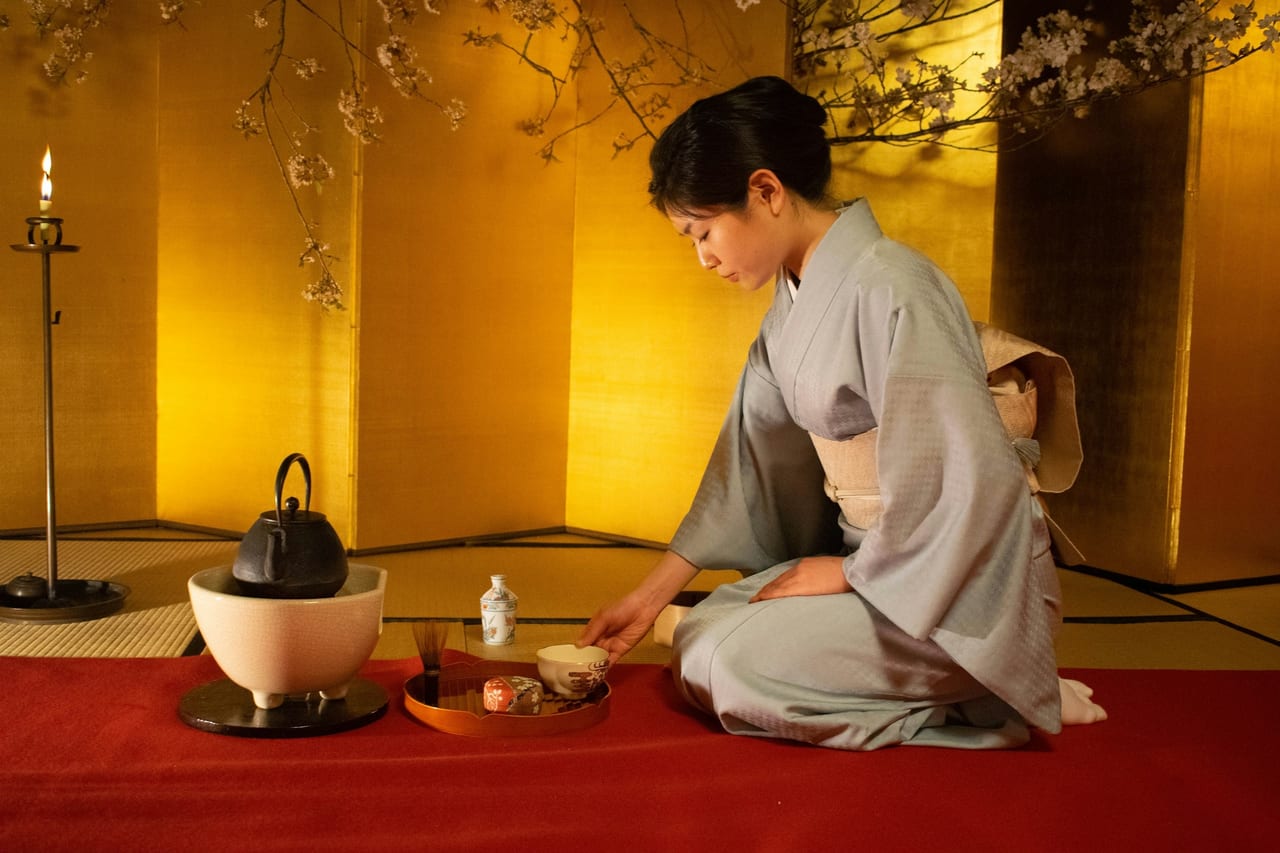
A Gion ryotei with a modern counter, where service follows the tea ceremony and the chef's motto is flavor before seasoning.
A small Edo-style sushi counter in Gion, salting fish hard to concentrate its flavor and seasoning rice with red vinegar and no sugar.
A Gion tempura counter run by a chef trained in Kyoto cooking, who opens with classic small dishes before frying Kyoto vegetables and fish.
An eel counter at the end of a long Gion alley, under a curtain showing a leaping eel, from a family that once traded river fish.
A Gion oden counter, now in its fourth generation, simmering daikon and days-old eggs in a dark broth handed down from its founder.
A small udon shop off Hanamikoji, best known for negi udon heaped with green onions, and for kitsune udon.
Start at Yasaka Shrine's gate at the top of Shijo-dori, then walk south down Hanamikoji past the wooden teahouses as evening falls.
Kyoto's oldest Zen temple, founded by the monk Eisai in 1202 at the south end of Hanamikoji, with twin dragons on the Dharma Hall ceiling and quiet gravel gardens.
A 50-minute sampler of seven traditional arts in one evening at Yasaka Hall, from tea and koto to kyogen comedy and a dance by maiko.
Gion Kobu's spring dances, performed by geiko and maiko every April; the best chance most visitors get to see them dance.
Kyoto's kabuki theater at the Gion end of Shijo Bridge; December's Kaomise brings the year's starriest cast.
A long counter in a former Gion teahouse, with a tatami room upstairs and a menu that leans on vodka, from classic martinis to wasabi vodka.
The park behind Yasaka Shrine, centered on a tall weeping cherry lit up after dark; in early April it becomes the city's busiest picnic under the blossoms.
Tadao Ando's nine-suite hotel on the Shirakawa stream in Gion, sister to Villa La Coste in Provence, with a Jean-Georges restaurant.
A modern hotel on Yasaka-dori with ryokan habits, shoes off at the door, and the century-old Tempura Yasaka Endo in a separate building.
The Imperial Hotel's first new house in about thirty years, inside Gion's 1936 Yasaka Kaikan on the grounds of the Kaburenjo theater, with tatami rooms in the north wing and a pool and spa below ground.
A ryokan-minded hotel a few steps south of Shijo-dori in Gion, with tatami rooms among its room types and a basement public bath that looks onto a courtyard.