Stories and legacies

The best places to learn African American history in Charleston

Museums, plantations and a Gullah tour that tell the full story.

5 places · Updated October 2026 · chosen with Explore Charleston, the National Park Service, the Charleston Museum, Historic Charleston Foundation and the venues' own sites · Tell us if this changed

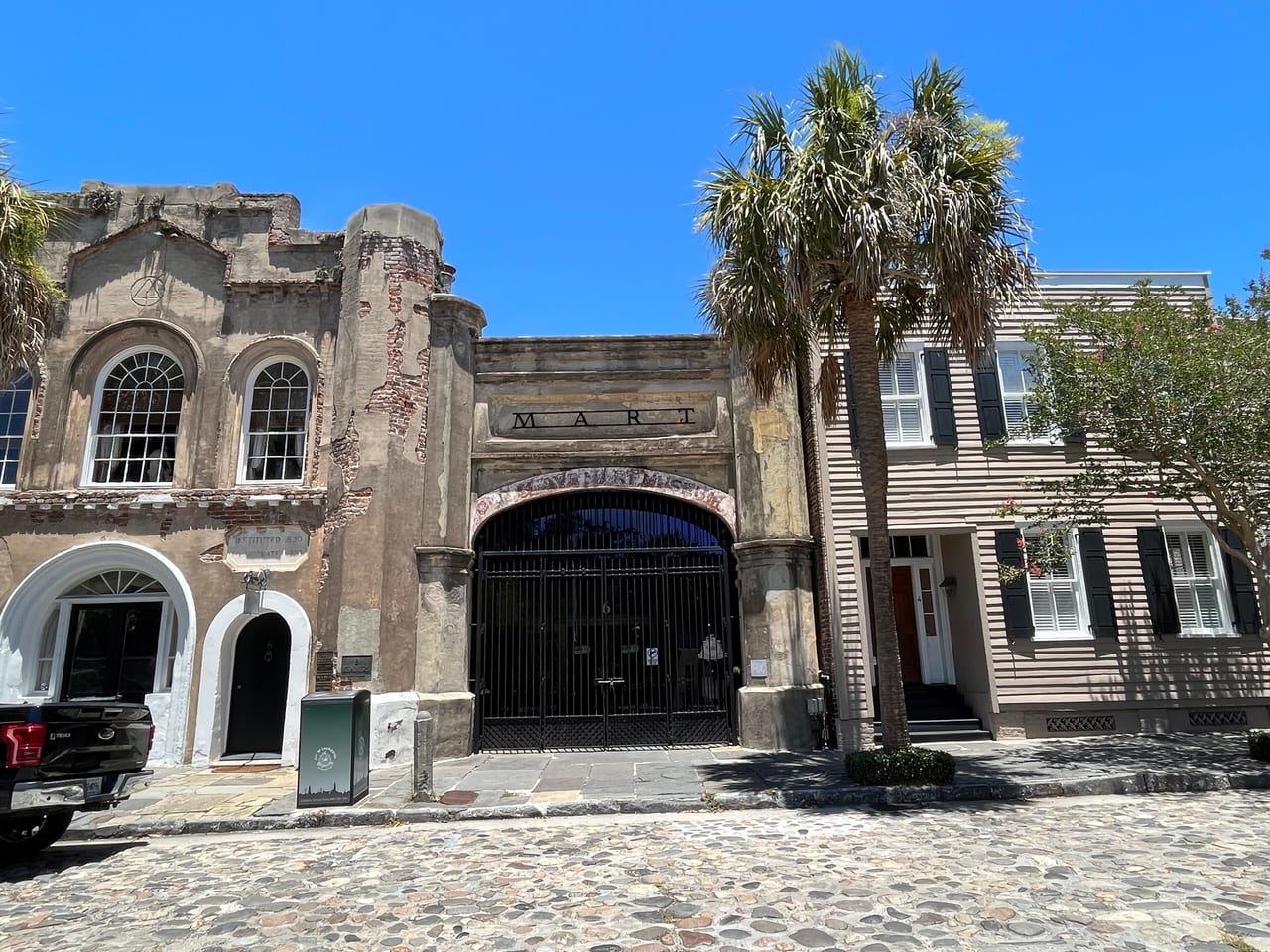
The arched front of the Old Slave Mart Museum on Chalmers Street
The arched front of the Old Slave Mart Museum on Chalmers Street.Photograph Riis2602 / Wikimedia Commons

Charleston was the largest port of arrival for enslaved Africans in North America, and its museums and plantations now tell that story directly. These five sites cover the arrival, the auction block, the fields and the people who built the Lowcountry.

Allow time to reflect between visits, and check closing days before you go.

What we looked for

A site run on the history of the enslaved and the Gullah Geechee, with real documents, sites or guides from the community.

  1. 01

    International African American Museum

    Gadsden's Wharf · Museum · $22.5

    A museum built at the wharf where thousands arrived, with a genealogy center and a garden. Book a timed ticket, because it is closed on Monday.

    Address
    14 Wharfside Street, Charleston
    Hours
    10:00 to 17:00, Tuesday to Saturday; 12:00 to 17:00, Sunday; closed Monday
  2. 03

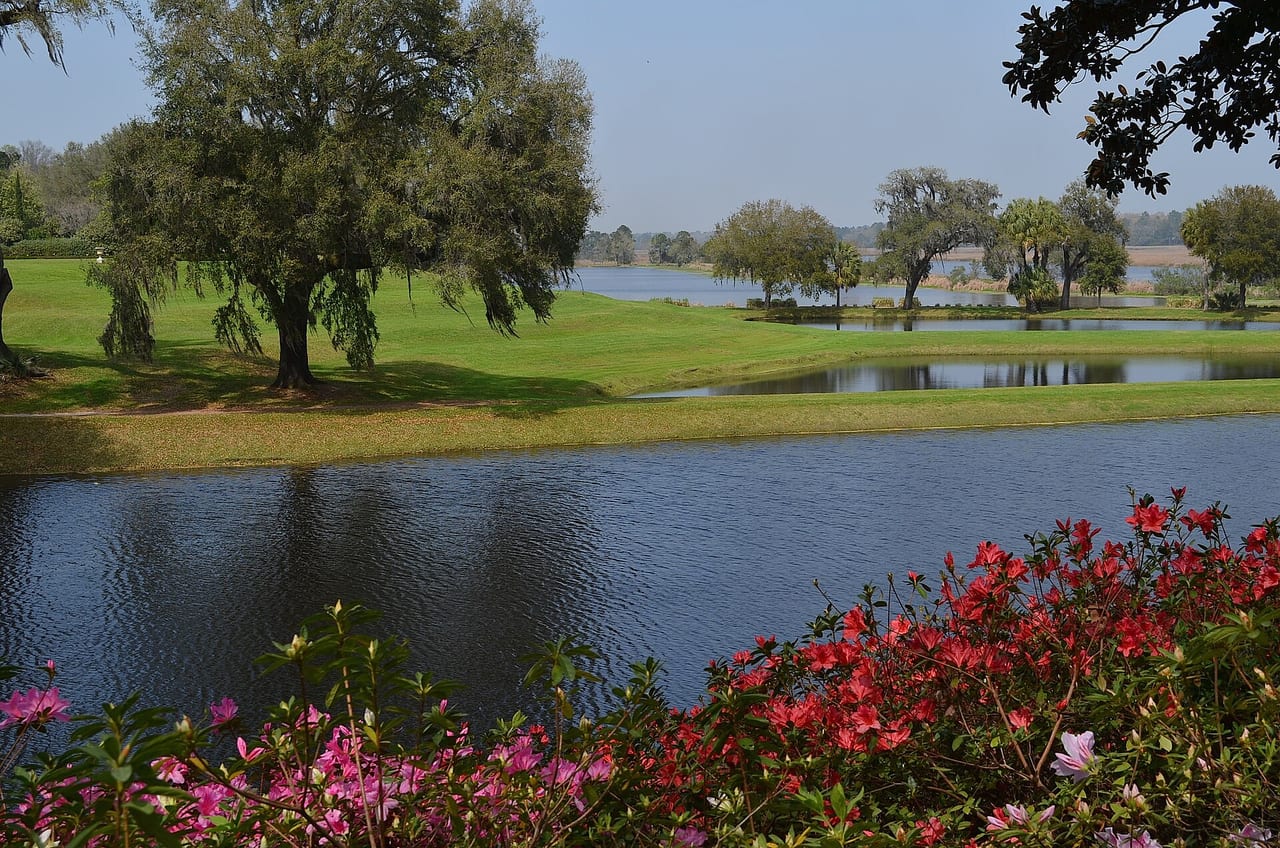
    McLeod Plantation Historic Site

    James Island · Day trip · $20

    A county park that centers the lives of the enslaved and the Gullah Geechee community. Guided tours leave on the half hour, and the site is closed on Monday.

    Address
    325 Country Club Drive, Charleston
    Hours
    9:00 to 16:00, Tuesday to Sunday; tours at 9:30, 10:30, 11:30, 12:30, 13:30 and 14:30

More guides

Three nights in Charleston, planned to the hour.